
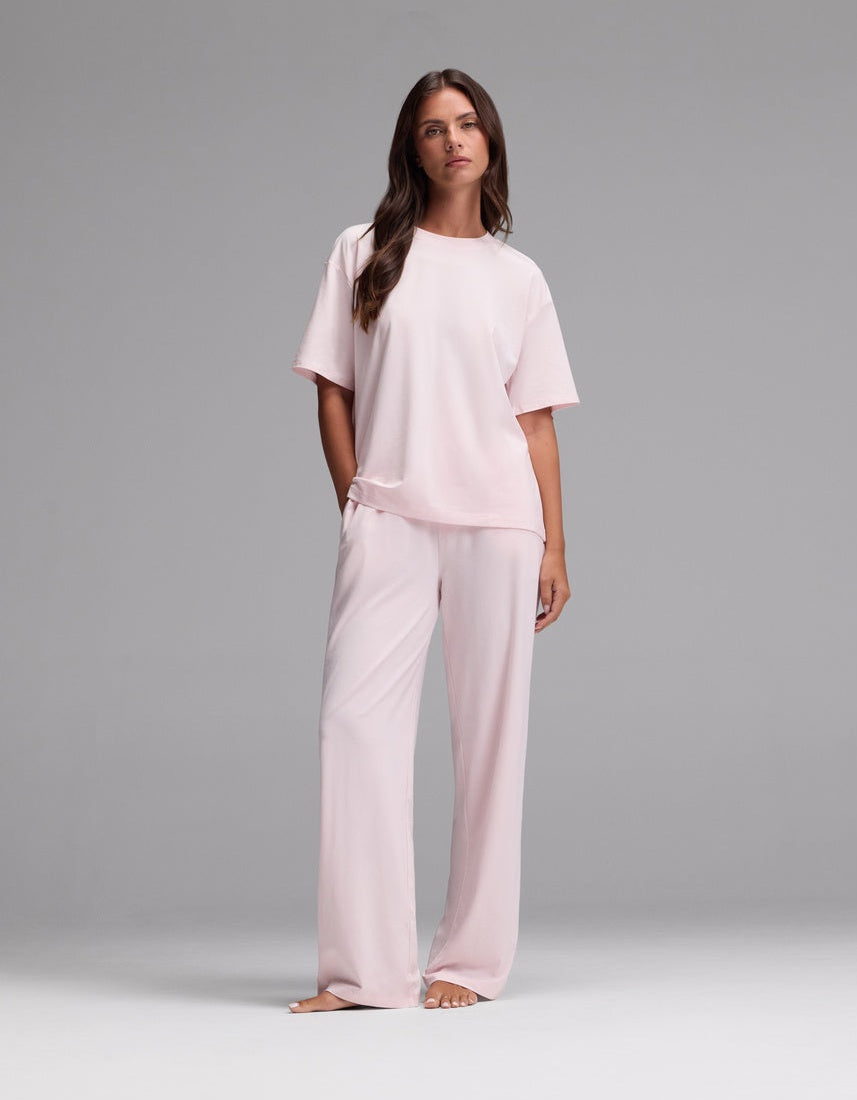




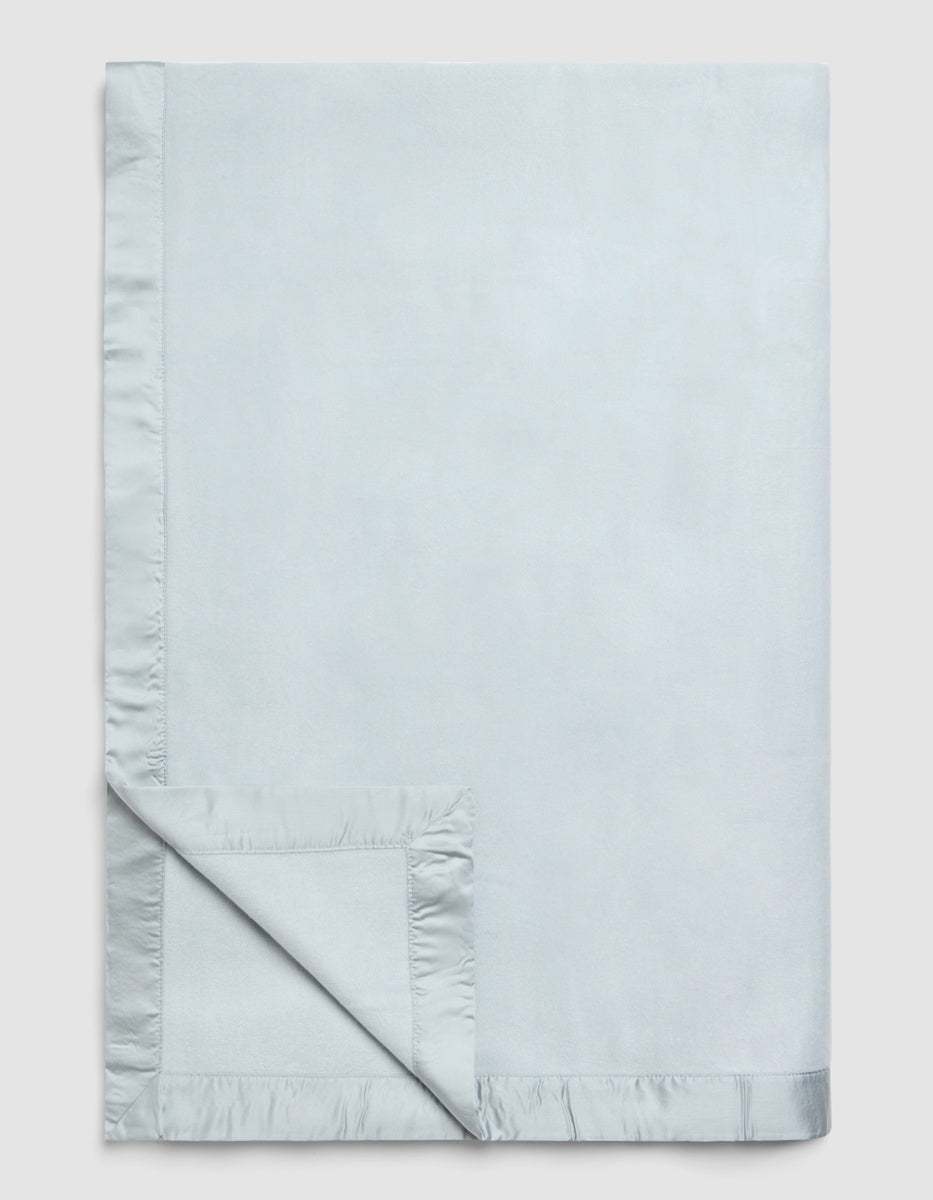
The fabric covering your bed matters as much as the mattress beneath it. In luxury bedding, two materials consistently stand out: viscose from bamboo and linen. Both promise comfort, but they deliver very different experiences. This bamboo vs linen sheets guide walks through where each fabric comes from, how they feel and sleep, how long they last, and what it takes to care for them, with a short detour into eucalyptus sheets for anyone weighing all three.
Bamboo vs Linen Sheets at a Glance
Bamboo sheets, meaning sheets woven from viscose made from bamboo, are silky, cool to the touch, and soft from the very first night. Linen bed sheets are crisp and textured, breathable in a different way, and famous for getting softer with every wash over years of use. Bamboo tends to win on immediate softness, temperature regulation, and a smooth, polished look. Linen wins on longevity and that relaxed, lived-in character. Both are natural fiber options that outperform standard cotton sheets on breathability. If you want to feel the difference yourself, our sheets collection carries bamboo viscose, bamboo jersey, soft-wash cotton, and linen bedding side by side.
Where Do Viscose from Bamboo Sheets Come From?
Bamboo viscose sheets are made from the fibers of bamboo grass. The plant fibers are spun into yarn and processed into threads, which are then woven into incredibly soft, smooth sheets with an almost liquid drape. Bamboo is also a renewable resource that requires minimal water to grow, making bamboo viscose a more sustainable option than traditional cotton.
You will sometimes see bamboo sheets labeled as rayon from bamboo or bamboo lyocell. Viscose and rayon describe the same fiber process, while lyocell is a newer closed-loop method that produces a slightly crisper hand. Either way, the fabric that reaches your bed is a smooth, hypoallergenic weave with a natural drape.

Where Do Linen Sheets Come From?
Linen is a time-honored classic, made from the fibers of the flax plant. It is known for its breathability, its durability, and its relaxed charm. It also softens with each wash. Like bamboo, linen is a sustainable option, as flax requires minimal water to grow.
Flax fibers are thicker than bamboo fibers, so linen cannot be woven as tightly. That is why linen sheets have an open, airy texture and a tendency to wrinkle, and why they breathe so well in a warm room.
Softness and Texture: The First Touch
Bamboo viscose is the clear winner for immediate softness. Its texture is consistently described as silky, buttery, and smooth against the skin. Unlike fabrics that need a "breaking in" period, Cozy Earth's bamboo viscose sheets feel luxurious from the very first night.
Linen gets to softness gradually. It starts crisp and textured, then mellows with repeated washing. Many people love that evolving character, but it doesn't reach the silken smoothness of bamboo. It suits anyone who prefers a more rustic, tactile feel.
Which Sheets Sleep Cooler, Bamboo or Linen?
Both sleep cooler than cotton, but they get there differently.
Bamboo viscose is temperature-regulating and moisture-wicking. It feels cool to the touch when you climb in and stays comfortable as the night warms up, which is why hot sleepers and anyone dealing with night sweats tend to land on bamboo.
Linen breathes through its open weave, so air moves freely and the sheets feel dry and airy. That makes it a great choice for warm, dry or humid climates.
If you sleep hot year-round, bamboo is the safer pick, since its moisture management gives more consistent control across seasons. If you want maximum airflow in summer and don't mind a crisper feel, linen holds its own.

Which Is More Durable and Softer Over Time?
Linen is the longevity champion. Flax is one of the strongest natural fibers, and a well-made linen set can last many years, softening with every wash rather than wearing out. Bamboo viscose is soft from the first wash and stays that way with proper care, and ours are warrantied against pilling. But they won't become softer over time the way linen does, because they start out there.
Appearance and Wrinkles
Linen's most famous (or infamous) trait is its tendency to wrinkle. That creates the relaxed, lived-in look that defines many popular linen bedding sets. Some people adore the casual elegance, but a smooth, pristine bed takes diligent ironing or steaming.
Bamboo viscose is naturally more wrinkle-resistant. It drapes over the mattress with a fluid, graceful look, fits easily into daily bed-making, and holds a polished appearance through the week. The trade-off is texture: linen asks you to love a little wrinkle, while bamboo stays smooth and silky with no break-in period.
Do Bamboo Viscose or Linen Sheets Require More Care?
Both are relatively low maintenance. Bamboo viscose sheets can be machine washed and dried, though a gentle cycle and no bleach or fabric softener will prolong their lifespan. Linen sheets should be washed in cool water and hung to dry to prevent shrinkage. Both can be ironed on low heat to remove wrinkles.

How Do Eucalyptus Sheets Compare to Bamboo and Linen?
Eucalyptus sheets are usually made from lyocell, the branded version being TENCEL, which turns eucalyptus wood pulp into fiber in a closed-loop process that recovers almost all of its solvent. In the hand, eucalyptus sits between the other two: smoother and cooler than linen, a touch crisper and less silky than bamboo viscose. It shares bamboo's moisture-wicking, hypoallergenic qualities and appeals to the same hot sleepers, and like bamboo it needs cold washes and low heat.
If silky softness is your priority, bamboo edges it out. If you want a crisp, cool sheet with an eco story, eucalyptus is a fair alternative. If you want texture and decades of wear, linen still stands apart. For a closer look, see our full comparison of bamboo viscose and eucalyptus sheets.
Which Sheet Set Is Right for You?
Choose bamboo viscose if:
- Your top priority is a silky, buttery-soft feel.
- You're a hot sleeper or want sheets that adapt to your body temperature.
- You love a smooth, elegant bed that resists wrinkles and stays polished with minimal upkeep.
Choose linen if:
- You enjoy a crisper, more textured feel that gets softer over years of use.
- You love a rustic, lived-in look and don't mind a few wrinkles.
In the end, the choice between a bamboo sheet set and linen bedding comes down to personal preference, budget, and priorities. Bamboo viscose can cost more than traditional cotton because turning it into sheets is more labor-intensive and requires specialized machinery. Many people find the softness, temperature regulation, and easy care worth the investment. Linen can be more affordable but may not be as soft or temperature-regulating.
Ready to see the difference for yourself? Explore the softness of our bamboo viscose bedding.
Frequently Asked Questions
Is it better to sleep on linen or bamboo sheets?
It depends on what you want from the bed. Bamboo sheets are the better choice for softness, a silky feel, and steady temperature regulation through the night, which makes them a favorite of hot sleepers and people with sensitive skin. Linen is the better choice if you love a crisp, textured feel, a relaxed look, and a set that lasts for years and softens as it goes.
What are the healthiest sheets to sleep on?
The healthiest sheets are breathable, made from natural or plant-based fibers, and free of harmful chemicals. Bamboo viscose, linen, and eucalyptus lyocell all qualify, and all three are naturally hypoallergenic. Look for an OEKO-TEX STANDARD 100 certification, which confirms the finished fabric has been tested for harmful substances, and skip fabric softener, which coats the fibers and reduces breathability.
What is the downside to bamboo sheets?
Bamboo sheets cost more than standard cotton, they need a gentle wash with no bleach or softener, and the silky drape means they wrinkle less but also feel less crisp than linen or percale, which some people miss. Cheaper bamboo sets can also pill, so it pays to choose a maker that stands behind the fabric with a warranty.
Why did hospitals stop using linen sheets?
Hospitals largely moved away from linen as cotton and cotton blends became cheaper, faster to launder and dry, and easier to keep wrinkle-free at industrial scale, not because linen is uncomfortable. At home, where sheets are washed in cool water and hung to dry, those drawbacks matter far less, and linen's breathability and durability come through.